
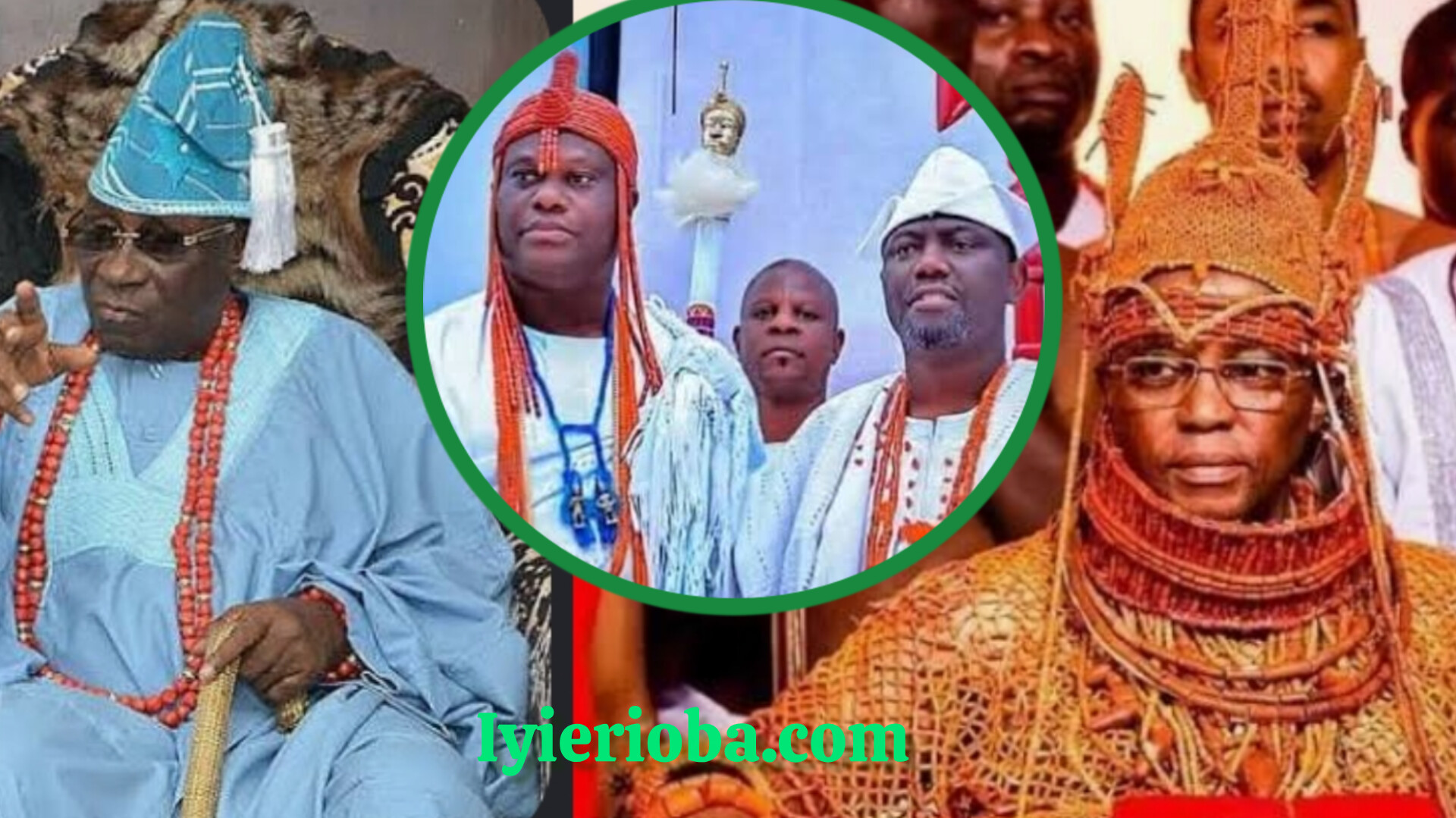
Nigeria has a rich history of traditional institutions, ancient kingdoms and royal leadership. Across the country’s six geopolitical zones, traditional rulers continue to play important roles in preserving cultural heritage, settling community disputes, promoting peace and representing their people at public events.
Some of Nigeria’s best-known traditional rulers occupy historic thrones that have existed for centuries. These include the Oba of Benin, the Sultan of Sokoto, the Ooni of Ife, the Emir of Kano and the Obi of Onitsha. Their influence varies according to history, religious significance, cultural traditions, public recognition and relationships with their communities and government authorities.
In this article, we examine 20 prominent traditional rulers in Nigeria and the kingdoms or traditional institutions they represent. The list follows the names supplied for this article, but it should not be treated as an official national ranking. Nigeria does not have a single universally accepted list ranking every traditional ruler by overall power or influence.
Top 20 Most Powerful Traditional Rulers in Nigeria
The following are 20 prominent traditional rulers whose institutions have significant historical, cultural or regional importance in Nigeria.
| No. | Traditional Ruler | Traditional Institution or Kingdom |
|---|---|---|
| 1 | Oba of Benin | Benin Kingdom |
| 2 | Olu of Warri | Warri Kingdom |
| 3 | Ooni of Ife | Ile-Ife |
| 4 | Sultan of Sokoto | Sokoto Sultanate |
| 5 | Emir of Kano | Kano Emirate |
| 6 | Obi of Onitsha | Onitsha Kingdom |
| 7 | Oba of Lagos | Lagos traditional institution |
| 8 | Tor Tiv | Tiv traditional institution |
| 9 | Attah of Igala | Igala Kingdom |
| 10 | Asagba of Asaba | Asaba traditional institution |
| 11 | Och’Idoma | Idoma traditional institution |
| 12 | Olubadan of Ibadan | Ibadan traditional institution |
| 13 | Ohinoyi of Ebiraland | Ebiraland |
| 14 | Obong of Calabar | Efik traditional institution |
| 15 | Amanyanabo of Kalabari | Kalabari Kingdom |
| 16 | Alake of Egbaland | Egbaland |
| 17 | Dein of Agbor | Agbor Kingdom |
| 18 | Alaafin of Oyo | Oyo traditional institution |
| 19 | Etsu Nupe | Nupe traditional institution |
| 20 | Shehu of Borno | Borno traditional institution |
1. Oba of Benin
The Oba of Benin is the traditional monarch of the historic Benin Kingdom in present-day Edo State. The institution is renowned for its centuries-old history, distinctive royal customs, bronze and brass artworks, and contributions to Nigerian cultural heritage.
The Benin royal institution remains one of the most recognised traditional institutions in the country. Its cultural influence extends beyond Edo State through historical connections, festivals, art and the preservation of Benin traditions.
2. Olu of Warri
The Olu of Warri is the traditional ruler of the Warri Kingdom in Delta State. The kingdom has a long history associated with the Itsekiri people, trade, diplomacy and interactions with other coastal communities.
The Olu’s institution continues to represent Itsekiri cultural identity and heritage. Its traditional authority is important in community affairs, cultural celebrations and efforts to maintain peace among communities in the Niger Delta.
3. Ooni of Ife
The Ooni of Ife is the traditional ruler of Ile-Ife in Osun State, a city widely regarded as one of the most important spiritual and historical centres of Yoruba civilisation.
The institution has deep connections with Yoruba origin traditions, religious heritage, royal customs and cultural festivals. The Ooni is a prominent figure in discussions about Yoruba history and the preservation of traditional values.
4. Sultan of Sokoto
The Sultan of Sokoto is the traditional and spiritual leader associated with the Sokoto Sultanate and holds an important position in Nigeria’s Muslim community.
The institution emerged from the nineteenth-century Sokoto Caliphate and has retained substantial religious, historical and cultural significance. The Sultan is frequently involved in national conversations concerning religious leadership, peacebuilding and interfaith relations.
5. Emir of Kano
The Emir of Kano represents one of the most historically significant traditional institutions in northern Nigeria. Kano developed into a major centre of commerce, scholarship, Islamic learning and regional administration over several centuries.
The emirate’s historical importance and Kano’s position as a major commercial centre contribute to the institution’s public visibility. The Emir continues to represent an important part of Kano’s traditional and cultural identity.
6. Obi of Onitsha
The Obi of Onitsha is the traditional ruler of Onitsha in Anambra State. The Onitsha monarchy is an established institution within Igbo traditional leadership and is associated with the community’s history, customs and royal heritage.
Onitsha developed into a major commercial centre along the River Niger. Its traditional institution remains important to cultural festivals, community affairs and the preservation of Onitsha customs.
The existence of the Obi of Onitsha also illustrates why it is inaccurate to claim that Igbo communities have no kingdoms or traditional monarchies. Historical research documents kingship institutions in Onitsha and several other Igbo communities.
7. Oba of Lagos
The Oba of Lagos is the traditional ruler of the Lagos traditional institution. The office has historical connections to the development of Lagos as a coastal settlement and its subsequent emergence as one of Africa’s major commercial cities.
The Oba represents important aspects of Lagos’s indigenous heritage, royal customs and cultural identity. The institution remains visible during traditional festivals and public cultural occasions.
8. Tor Tiv
The Tor Tiv is the paramount traditional ruler associated with the Tiv people, whose population is concentrated mainly in Benue State and neighbouring areas.
The institution represents Tiv cultural identity, customary values and traditional leadership. The Tor Tiv’s role includes promoting unity, supporting cultural preservation and representing the interests of the Tiv community in traditional and public affairs.
9. Attah of Igala
The Attah of Igala is the traditional ruler of the Igala Kingdom, whose historical centre is in present-day Kogi State. The Igala people have a long history of political organisation, cultural traditions and interactions with neighbouring communities.
The Attah’s institution remains significant in preserving Igala customs, royal heritage and the community’s historical identity.
10. Asagba of Asaba
The Asagba is the traditional ruler of Asaba, the capital of Delta State. The institution represents the community’s traditions, customs and historical identity.
Asaba’s location near the River Niger has contributed to its historical and commercial importance. The Asagba plays a role in community representation, cultural activities and the preservation of local heritage.
11. Och’Idoma
The Och’Idoma is the paramount traditional ruler associated with the Idoma people, whose traditional homeland is mainly in Benue State.
The institution is important to Idoma identity, customary traditions and community leadership. The Och’Idoma serves as a recognised traditional figure in cultural affairs and efforts to promote unity among Idoma communities.
12. Olubadan of Ibadan
The Olubadan is the traditional ruler of Ibadan, one of the largest historic cities in southwestern Nigeria. The Ibadan traditional institution is known for its distinctive succession system and the prominent role played by traditional chiefs.
The Olubadan represents Ibadan’s cultural heritage and traditional governance. The institution remains relevant to local customs, community development discussions and the preservation of the city’s history.
13. Ohinoyi of Ebiraland
The Ohinoyi is the traditional ruler associated with Ebiraland in Kogi State, home to the Ebira people. The institution represents Ebira traditions, cultural identity and customary leadership.
Ebiraland has a distinct cultural heritage, and its traditional institution plays a role in community affairs, cultural events and the preservation of local customs.
14. Obong of Calabar
The Obong of Calabar is a prominent traditional ruler associated with the Efik people and their historic centre in Calabar, Cross River State.
The Efik have a rich history connected with trade, diplomacy, maritime activity and cultural exchange. The Obong’s institution remains important to Efik identity, traditional ceremonies and the preservation of cultural heritage.
15. Amanyanabo of Kalabari
The Amanyanabo of Kalabari represents the Kalabari traditional institution in Rivers State. The Kalabari people are associated with the Niger Delta’s riverine communities and a history of maritime commerce, trade and cultural exchange.
The traditional institution helps preserve Kalabari customs, community identity and historical traditions. The title Amanyanabo is used within several Niger Delta traditional institutions, although the exact office and jurisdiction vary by kingdom.
16. Alake of Egbaland
The Alake of Egbaland is the traditional ruler associated with the Egba people of Abeokuta in Ogun State. Egbaland has a significant history in Yoruba political development, commerce, education and cultural life.
The Alake’s institution represents Egba traditions and royal heritage. It remains an important part of cultural celebrations and community affairs in Abeokuta and surrounding areas.
17. Dein of Agbor
The Dein of Agbor is the traditional ruler of Agbor Kingdom in Delta State. The kingdom has a distinctive history and cultural identity associated with the Ika people and the wider region of present-day Delta State.
The Dein’s institution is important in maintaining Agbor’s customs, traditional ceremonies and community identity. It also represents the historical continuity of the kingdom’s traditional leadership.
18. Alaafin of Oyo
The Alaafin of Oyo is associated with the historic Oyo Empire, one of the most influential political powers in precolonial Yoruba history.
The old Oyo Empire played an important role in regional politics, trade, military organisation and cultural development. Although the contemporary traditional institution does not exercise the former empire’s political authority, the Alaafin remains a significant symbol of Yoruba historical and cultural heritage.
19. Etsu Nupe
The Etsu Nupe is the traditional ruler associated with the Nupe people, whose communities are concentrated mainly in Niger State and surrounding areas.
The Nupe have a distinctive history of political organisation, craftsmanship, trade and cultural development. The Etsu’s institution remains important in preserving Nupe customs, traditional leadership and community identity.
20. Shehu of Borno
The Shehu of Borno is the traditional ruler associated with the historic Borno traditional institution in northeastern Nigeria. The region has a long history connected with the Kanem-Borno civilisation, trans-Saharan trade, Islamic scholarship and regional political development.
The Shehu’s institution represents an important part of Borno’s historical and cultural heritage. It continues to be associated with traditional leadership, community affairs and the preservation of longstanding customs.
Traditional Rulers and the History of First-Class Chiefs in Nigeria
The classification of traditional rulers in Nigeria has developed through different historical and administrative periods. Traditional institutions existed long before modern state boundaries and government classifications were introduced.
During the colonial period and after independence, governments recognised and classified traditional authorities in different ways. Later administrative reforms also influenced the recognition of traditional rulers and autonomous communities in various parts of the country.
In Igbo-speaking areas, the implementation of autonomous communities created a framework for official recognition of traditional rulers at community level. Historical research on Igbo kingship documents the development of these institutions and the differences between communities with centralised kingship systems and those traditionally governed through councils, elders and other community institutions.
Consequently, the claim that a single nationwide rule made it compulsory for every Nigerian community to have a traditional ruler in 1976 is too broad. The historical and administrative changes varied across regions and should be understood in their proper context.
Does Igboland Have Traditional Kingdoms?
The claim that there are no kingdoms in Igboland is historically inaccurate. Igbo traditional leadership is diverse, and the region has both communities with established kingship institutions and communities whose traditional systems place greater emphasis on village assemblies, councils of elders, lineage heads and other customary authorities.
Onitsha, for example, has a longstanding monarchy headed by the Obi of Onitsha. Other communities, including Oguta and Arochukwu, also have histories of centralised traditional leadership.
At the same time, the existence of a traditional monarch in one community does not mean that every Igbo community follows the same model of kingship. Traditional political organisation differs across Igboland, reflecting the region’s varied histories and customs.
It is also important to distinguish historical links between communities from present-day ethnic identity. Historical accounts of Onitsha describe connections with Benin, but those connections do not mean that all Igbo people are from Benin or that every Igbo male is automatically a king.
In short, Igbo traditional institutions cannot be accurately described by a blanket statement that Igboland has no kingdoms. The evidence points to a variety of traditional political systems, including monarchies and community-based leadership structures.
What Makes a Traditional Ruler Powerful?
There is no universally accepted formula for ranking traditional rulers in Nigeria by power. Their influence can be considered in several ways:
- Historical significance: The age, historical reach and legacy of the kingdom or institution.
- Cultural influence: The institution’s importance to festivals, customs, language, identity and heritage.
- Religious significance: The traditional ruler’s role in religious or spiritual life, where applicable.
- Community representation: The extent to which the ruler represents and brings together the people under the institution.
- Public recognition: National visibility and participation in cultural, diplomatic or peacebuilding activities.
- Formal authority: The powers recognised under applicable state laws and customary arrangements.
Traditional rulers do not all exercise the same authority, and cultural prestige should not be confused with constitutional political power. Their influence also changes over time and depends on local circumstances.
Frequently Asked Questions
Who is the most powerful traditional ruler in Nigeria?
There is no universally accepted official ranking of Nigeria’s traditional rulers by power. The Oba of Benin, Sultan of Sokoto, Ooni of Ife, Emir of Kano and other prominent rulers are widely recognised for their historical, cultural or religious significance. Which ruler is considered the most influential depends on the criteria used.
How many traditional rulers are there in Nigeria?
Nigeria has a large number of traditional rulers across its states and communities. There is no single number that should be used without specifying the classification and date, because state recognition systems and traditional institutions differ.
Does every Nigerian community have a traditional ruler?
No. Traditional leadership structures differ across communities. Some have recognised monarchs, while others rely on councils of elders, community assemblies, lineage heads or different customary institutions.
Does Igboland have kingdoms?
Yes. Onitsha, Oguta and Arochukwu are examples of Igbo communities with established histories of kingship. Other communities have different traditional leadership systems, so it is inaccurate to claim that no kingdoms exist in Igboland.
Is the Obi of Onitsha a traditional king?
Yes. The Obi of Onitsha heads the Onitsha traditional institution and is a recognised traditional ruler. The institution has a documented history and plays an important role in Onitsha’s cultural life.
Did Nigeria make it compulsory for every community to have a traditional ruler in 1976?
The history is more complex than that statement suggests. Government reforms during the period influenced the recognition of traditional rulers and community-level institutions in different regions. The claim that one nationwide rule made every community establish a traditional rulership should not be presented as an established fact without a specific supporting legal or historical source.
Do traditional rulers have the same powers as elected politicians?
No. Traditional rulers and elected public officials have different roles. Traditional rulers generally represent cultural institutions and customary leadership, while elected officials exercise public powers defined by the Constitution and relevant laws. The precise role of a traditional ruler also depends on the applicable state framework.
Conclusion
Nigeria’s traditional rulers represent a wide range of historical kingdoms, cultural institutions and community leadership systems. From the Oba of Benin and the Sultan of Sokoto to the Obi of Onitsha and the Tor Tiv, these institutions help preserve the country’s diverse cultural heritage.
Although it is tempting to rank traditional rulers from first to twentieth, no single list can objectively measure every form of traditional influence. Historical significance, religious standing, cultural authority and community representation all offer different ways to understand their importance.
The debate about traditional leadership in Nigeria should also recognise the diversity of Igbo traditional institutions. Some Igbo communities have established monarchies, while others maintain different customary systems. Neither structure makes one community’s history less important than another’s.
Ultimately, Nigeria’s traditional institutions are an important part of the country’s cultural history. Understanding their differences provides a more accurate picture of the people, kingdoms and communities they represent.
Recommended Posts
- 10 Most Wealthy Men in Ebonyi State
- 20 Most Powerful Business Moguls in South East
- 10 Most Influential Politicians in South East Today