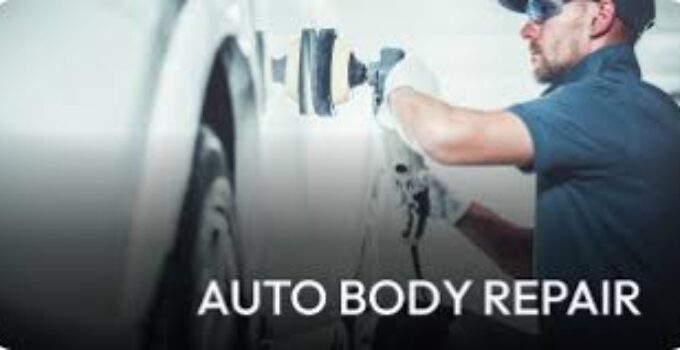
Are you a WAEC Candidate? if yes The WAEC Auto Body Repairs Syllabus for the 2026/2027 examination year is officially out. Auto body repairs is a high-value vocational subject that combines mechanical expertise, safety awareness, welding skills, spray painting techniques, and small business management. With the growing demand for skilled automobile technicians across Africa and beyond, this subject opens doors to employment, entrepreneurship, and further technical education.
ABOUT THE WAEC AUTO BODY REPAIRS SYLLABUS
This is a detailed academic and practical guide designed to equip students with the technical skills and theoretical knowledge required for success in the automobile body repair industry. This syllabus is especially important for candidates in technical colleges and vocational institutions preparing for the West African Senior School Certificate Examination (WASSCE). This article provides a comprehensive, easy-to-understand breakdown of the WAEC Auto Body Repairs 2026/2027 syllabus, examination format, and recommended textbooks, making it a must-read resource for students, teachers, and training centers.
WAEC Auto Body Repairs Syllabus 2026/2027 | Recommended Textbooks
Overview of WAEC Auto Body Repairs Syllabus 2026/2027 |Recommended Textbooks
The WAEC Auto Body Repairs syllabus focuses on developing hands-on competence, safety consciousness, and professional ethics in vehicle body repair and refinishing. It blends theory with practice, ensuring candidates can both explain concepts and perform real-world repair tasks.
The syllabus covers key areas such as:
Workshop safety and environmental regulations
Tools, equipment, and their maintenance
Auto body materials and metals
Welding and heat treatment
Minor and major body repair techniques
Aluminium and plastic panel repairs
Spray painting processes
Auto body workshop business management
While textbooks like Auto Body Repair Technology (5th Edition) by James Duffy and other standard vocational texts are widely used, WAEC has not released an official compulsory textbook list for the 2026/2027 examination year. Candidates are therefore encouraged to study from reliable technical manuals and follow the syllabus strictly. You can Visit http://www.Myschool.ng for an Online CBT Test.
SEE ALSO:
WAEC Basketry Syllabus 2026/2027 | Recommended Textbooks
WAEC Building Construction Syllabus 2026/2027 | Recommended Textbooks
WAEC Ceramics Syllabus 2026/2027 | Recommended Textbooks
WAEC Auto Body Repairs Examination Structure (2026/2027)
The Auto Body Repairs examination consists of three papers, all of which are compulsory. Papers 1 and 2 are taken together in one sitting.
Paper 1: Objective Test
Format: 40 multiple-choice questions
Duration: 1 hour
Marks: 40
This paper tests candidates’ understanding of definitions, safety rules, tools, materials, and basic principles of auto body repairs.
Paper 2: Essay Test
Format: Five essay questions
Attempt: Any four
Duration: 1 hour 30 minutes
Marks: 60
Candidates are expected to demonstrate deeper knowledge, clear explanations, and practical understanding of repair processes, welding, materials, and workshop operations.
Paper 3: Practical Examination
Format: One compulsory practical task
Duration: 3 hours 10 minutes
Marks: 100
This paper assesses real-life skills such as panel beating, welding, alignment, surface preparation, and spray painting. WAEC provides a list of required materials at least two weeks before the exam, allowing schools to prepare adequately.
WAEC Auto Body Repairs Syllabus for 2026/2027
1. Safety Rules and Regulations in Auto Body Repairs
Safety is the foundation of all workshop activities. Candidates are expected to understand:
The meaning and importance of safety rules
Common workshop hazards and accident prevention
Use of personal protective equipment (PPE) such as gloves, goggles, boots, ear defenders, and coveralls
Human, mechanical, and environmental causes of accidents
National and international safety regulations, including environmental protection and hazardous waste management practices.
Understanding safety laws helps students protect themselves, coworkers, and the environment.
2. Tools and Equipment
This section introduces students to essential workshop tools, including:
Hand tools: hammers, dollies, spanners, files, screwdrivers, body spoons
Power tools: drilling machines, sanders, cutting machines, air compressors, body jacks
Candidates must know the functions, advantages, limitations, and safety precautions associated with each tool.
3. Spray Painting Tools and Equipment
Spray painting requires precision and proper equipment. Topics include:
Spray guns and accessories
Air compressors and spray booths
Paint filters, ovens, and mixing tools
Proper care, cleaning, and storage of painting equipment
Correct handling of these tools ensures quality finishing and reduces health risks.
4. Maintenance of Tools and Equipment
Students learn the importance of maintenance, including:
Predictive, preventive, and corrective maintenance
Following manufacturers’ maintenance guidelines
Routine inspection and servicing of workshop equipment
Proper maintenance improves efficiency, safety, and tool lifespan.
5. Materials for Auto Body Repairs and Spray Painting
This section covers commonly used materials such as:
Body fillers (plastic fillers, fiberglass fillers, body solder)
Abrasives like wet and dry sandpapers
Sealers, undercoatings, and rivets
Students must understand material selection and correct application techniques.
6. Spray Painting Materials
Candidates are tested on knowledge of:
Enamel and lacquer paints
Primers, putties, and sealers
Topcoats and finishing materials
Paint mixing, colour matching, and manufacturer paint codes
These skills are critical for professional-quality refinishing.
7. Metals Used in Auto Body Repairs
This topic introduces ferrous and non-ferrous metals such as:
Mild steel
Aluminium
Brass and cast iron
Students learn properties like malleability, ductility, weldability, and their applications in vehicle construction.
8. Heat Treatment of Metals
Heat treatment processes covered include:
Hardening
Annealing
Normalizing
Case-hardening and tempering
Candidates must understand why heat treatment improves metal performance and durability.
9. Oxy-Acetylene Welding and Equipment
Welding is a core practical skill. Topics include:
Principles of oxy-acetylene welding
Welding equipment and gas systems
Installation procedures
Common welding defects and how to correct them
Safety precautions during welding operations
10. Auto Body Repair Work
This section focuses on both minor and major repairs, including:
Straightening techniques
Panel alignment
Repair of major body sections
Use of jacks, pullers, and heat shrinking methods
Students also learn about different body construction types.
11. Aluminium and Plastic Repairs
Modern vehicles use lightweight materials, making this topic essential. Candidates study:
Aluminium panel repair procedures
Plastic identification and repair methods
Thermoplastic and thermosetting resins
Introduction to fiberglass panel repairs
12. Spray Painting Process
This section explains:
Types of spray guns and their components
Surface preparation methods
Paint application techniques
Metallic and special paint finishes
Proper technique ensures durability and aesthetic quality.
13. Auto Body Workshop Business Management
Students learn entrepreneurial skills, including:
Factors to consider when setting up a workshop
Capital requirements and location
Essential tools and equipment
Basic workshop organization
This prepares candidates for self-employment after graduation.
WAEC Auto Body Repairs Syllabus 2026/2027 Textbooks
While no official WAEC list has been published, the following textbooks are highly recommended:
Fundamentals of Vehicle Bodywork – J. Fairbrother
Practical Welding – S. Gibson
Fundamentals of Motor Vehicle Technology (Books 1–3) – Hilliers & Rogers
Bodywork Maintenance and Repair – Paul Browne
Automotive Encyclopedia – Goodheart-Willcox
Auto Body Repair and Repainting – Bill Tobold.
Final Thoughts
The WAEC Auto Body Repairs syllabus for 2026/2027 is structured to produce competent, safety-conscious, and industry-ready technicians. With proper preparation, hands-on practice, and use of quality textbooks, candidates can excel in both the theoretical and practical aspects of the examination. Visit https://www.waecnigeria.org/ We wish you Good luck as you prepare for the upcoming Examination. Cheer’s!!

