

The development of Chuba Okadigbo International Airport in Ebonyi State has been one of the major infrastructure projects associated with the administration of former governor David Nweze Umahi. When the airport was approaching its opening in April 2023, writer and Peoples Democratic Party (PDP) member Nwoba Chika Nwoba published a commentary highlighting its potential to create employment, encourage investment, support businesses and improve access to Ebonyi State.
The argument behind the commentary was that the airport should be viewed as more than a transportation facility. If properly developed and operated, it could become part of a wider economic strategy involving commerce, tourism, agriculture, solid minerals and the movement of people and goods.
However, an infrastructure project delivers lasting value only when construction is followed by effective management, reliable services, adequate maintenance and sustained demand. Developments reported in 2026 show why the airport’s long-term contribution to Ebonyi’s economy depends not just on its physical infrastructure but also on its ability to support regular aviation activity.
This article revisits the key arguments in Nwoba Chika Nwoba’s 2023 commentary, considers the airport’s potential benefits and examines the more recent developments that will influence its future.
Background: How the Ebonyi Airport Project Began
The airport project took shape under the administration of David Nweze Umahi, who governed Ebonyi State from 2015 to 2023. Construction progressed during his second term, as the state government pursued infrastructure projects intended to improve connectivity and encourage economic activity.
In April 2023, attention turned to the airport as preparations were made for its opening and initial flight activities. At the time, the facility was referred to as Ebonyi State International Airport and was associated with former President Muhammadu Buhari.
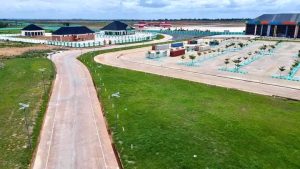
The airport is situated at Onueke, in Ezza South Local Government Area of Ebonyi State, southeastern Nigeria. Its location was intended to provide another point of access to the state, which has commercial, agricultural and mineral resources that could benefit from better transportation links.
The project also became part of a broader public discussion about how state governments should invest in infrastructure. Supporters highlighted the potential for improved connectivity and economic development, while questions about construction costs, maintenance, utilisation and the eventual return on public investment remained important considerations.
Readers interested in the political background to the transition between Ebonyi administrations can also read Francis Nwifuru’s address on how he intended to govern Ebonyi State.
What Nwoba Chika Nwoba Said About the Airport
In his April 2023 commentary, Nwoba Chika Nwoba presented the airport as an opportunity for Ebonyi State to expand its economic connections beyond its existing markets. His argument focused on the possibilities that could emerge if the facility attracted regular users and encouraged new commercial activities.
The commentary identified several potential benefits, including employment, support for businesses of different sizes, tourism, international business connections, investment and the marketing of the state’s natural resources.
It also called on residents to protect the facility and support its development. The underlying message was that a public infrastructure project requires cooperation from the government, businesses and the surrounding communities if it is to deliver sustainable benefits.
These were the writer’s expectations at the time. Assessing the airport today requires looking at both those original ambitions and the practical steps still needed to establish dependable commercial operations.
1. Employment Opportunities for Ebonyi Residents
One of the principal arguments in support of the airport project is its potential to create employment. An airport requires people to perform administrative, technical, security, maintenance, customer service and operational duties. Additional workers may also be needed by airlines and businesses serving passengers and airport users.
The construction phase can generate jobs for engineers, technicians, tradespeople, equipment operators, transport workers and suppliers. Once an airport becomes fully operational, it may create further opportunities in aviation services and in businesses that depend on passenger traffic.
However, the number and quality of jobs created depend on the scale of operations, the services available and the level of commercial activity. Constructing an airport does not automatically guarantee a large, permanent workforce or sufficient employment for every interested applicant.
Residents seeking opportunities should therefore distinguish between jobs created during construction, positions within airport management, employment with airlines and jobs in supporting businesses. Each category has different requirements and recruitment processes.
The airport’s April 2023 staff announcement was a historical resumption directive for people who had already been recruited. It should not be treated as a current vacancy notice. Anyone looking for employment should verify new announcements through authorised government or airport channels.
2. Supporting Small and Medium-Sized Businesses
Another potential benefit is the opportunity for local businesses to serve passengers, airport employees, contractors and visitors. Depending on the level of activity at the facility, these businesses could include restaurants, transport operators, hotels, shops, logistics providers, maintenance companies and other service providers.
Small businesses may benefit when more people travel to a location for work, family visits, conferences or commercial activities. Larger companies may also consider expanding into a region if transportation links make it easier to move staff and coordinate business activities.
For Ebonyi State to capture these opportunities, airport development would need to be supported by reliable road access, suitable accommodation, efficient local transport, security and services that meet customers’ needs. Businesses would also need to understand actual demand rather than make costly decisions based only on expectations about future passenger numbers.
The long-term value of the airport will therefore depend on the wider business environment as much as on the airport itself. Regular services, clear operating arrangements and a stable customer base would help local entrepreneurs plan more confidently.
3. Improving Connectivity and Business Travel
Air transportation can reduce journey times on some routes and provide another option for people travelling between distant locations. For businesses, reliable flights can make meetings, site visits and the movement of personnel easier to organise.
If scheduled services become established at Chuba Okadigbo International Airport, travellers from Ebonyi and neighbouring communities may gain another option for reaching destinations served by the airlines operating there.
That benefit should not be assumed in advance. The routes available, ticket prices, flight frequency and reliability of services will determine whether passengers find the airport convenient. Airlines also need sufficient demand to sustain their routes over time.
Airport access is only one part of a successful travel network. Passengers must be able to reach the terminal safely, purchase tickets through reliable channels and obtain accurate information about flight schedules and any changes to services.
4. Tourism, Culture and Events
Ebonyi State has cultural traditions, community festivals, agricultural activities and natural attractions that may interest visitors. Better transport connections could make it easier for some visitors to attend events, visit relatives or explore the state.
However, an airport alone does not create a successful tourism industry. Visitors also need accommodation, transport, dependable information, suitable visitor facilities and activities that make their trips worthwhile.
Local communities, tourism operators and relevant government agencies could work together to develop visitor experiences that reflect the state’s culture and natural environment. Such initiatives would need to respect local communities and environmental considerations while creating practical benefits for residents.
Where tourism develops successfully, spending by visitors can support accommodation providers, restaurants, guides, artisans, transport businesses and event organisers. These benefits depend on attracting visitors and providing services that encourage them to stay and spend money locally.
5. Opportunities for Agriculture and Solid Minerals
Ebonyi State has agricultural activity and mineral resources that feature prominently in discussions about its economic potential. The airport was presented by supporters as one infrastructure project that could contribute to wider efforts to attract investment and improve access to markets.
Air transport can be useful for certain high-value, time-sensitive or specialised shipments. Nevertheless, most agricultural produce and bulk mineral materials are generally influenced by road transport, storage, processing facilities, handling costs and access to suitable buyers.
For the airport to support local producers, businesses would need to identify realistic markets and determine whether air freight is commercially appropriate for their products. Investment in processing, packaging, storage, road access and reliable electricity may be just as important for many agricultural and mineral businesses.
Potential investors would also need clear information about the quality and availability of resources, relevant licences, environmental requirements and the commercial conditions for operating in the state. An airport may complement those investments, but it cannot replace the other infrastructure and regulatory arrangements required to develop them.
6. The Importance of Community Support and Airport Security
Nwoba’s 2023 commentary urged residents to support the airport’s development and avoid actions that could damage infrastructure or interfere with its operation.
Protecting public infrastructure is a shared responsibility. Vandalism, theft, trespassing and damage to airport equipment can create additional costs and interfere with maintenance or operations. Airport security also requires trained personnel, appropriate access controls and compliance with aviation safety procedures.
At the same time, effective protection should be supported by transparent management and clear communication with neighbouring communities. Residents need to know how to report safety concerns, access relevant public information and raise legitimate questions about the project’s development.
Community support is most sustainable when people can see how a project is managed, understand its benefits and access accurate information about employment and business opportunities.
Latest Update: Ebonyi Airport’s Commercial Operations in 2026
The airport’s current position is more complex than the expectations expressed when it was approaching its opening in 2023. In a report published on September 10, 2026, Channels Television said the Ebonyi State Government was working to resolve outstanding infrastructure and operational issues at Chuba Okadigbo International Airport.
According to the report, Commissioner for Transport and Aviation Collins Igboke said the project was approximately 90 per cent complete. Officials had inspected the facility to identify work requiring attention, including repairs associated with heavy rainfall and areas affected by vandalism.
The state government also reiterated its intention to acquire aircraft and move towards scheduled commercial airline operations. Airport management said further technical work and a final verification process by the Nigerian Civil Aviation Authority would be necessary before the required aerodrome certification could be secured for scheduled services.
These developments indicate that the airport’s potential economic benefits depend on completing the remaining work and meeting the applicable regulatory requirements. The existence of airport infrastructure or limited flight activity does not, on its own, establish that regular commercial passenger services are operating.
What the Airport’s Progress Means for Ebonyi’s Economy
The difference between a completed construction project and a commercially active airport is important when considering its economic impact. Infrastructure can create value, but the extent of that value depends on how often it is used, how well it is maintained and whether it meets the needs of passengers and businesses.
For Ebonyi State, the next stage involves turning investment in the facility into dependable services and measurable economic activity. That includes completing outstanding work, obtaining the necessary approvals, establishing suitable airline arrangements and maintaining safe operations.
It also involves monitoring the costs of maintaining the airport and supporting any state-backed aviation plans. Public investment decisions benefit from clear information about expenditure, operating costs, passenger demand and the revenue generated by services.
Such information would help residents and policymakers assess whether the airport is meeting its objectives and identify areas where additional improvements are necessary. Transparent reporting can also help businesses make informed decisions about whether to invest in airport-related services.
Related Iyierioba Articles
Readers interested in the airport’s political and public policy context may find these related articles useful:
- How I Intend to Govern Ebonyi State: Francis Nwifuru’s Address – background on the incoming administration’s stated priorities.
- Ebonyians React to the Hajj Pilgrimage Budget Controversy – a separate report on public debate surrounding state spending.
- PDP Rejects INEC’s Ogun Governorship Election Result – a related political news report.
- More news and public affairs reports from Iyierioba.
Conclusion: Turning the Airport’s Potential into Lasting Benefits
Nwoba Chika Nwoba’s April 2023 commentary presented Ebonyi State’s airport as an opportunity to improve connectivity, create jobs, attract investment and support local businesses. Those objectives remain relevant to discussions about the role of major infrastructure in regional development.
However, the airport’s eventual contribution to the economy will depend on more than its construction. Reliable commercial services, regulatory compliance, sound management, maintenance, passenger demand and opportunities for local businesses will all influence its long-term performance.
In September 2026, state officials said further infrastructure work and regulatory steps were still required before scheduled commercial passenger operations could begin. That makes the next phase of development particularly important for determining how the airport can serve residents, businesses and travellers.
The airport’s value should ultimately be assessed through its practical use, safety, accessibility, economic contribution and responsible management of public resources. With accurate public information and effective planning, residents can better evaluate the project’s progress and the opportunities it may create.
This article was written by Nwoba Chika Nwoba, published in April 2023. Note that This version has been substantially rewritten and updated with more recent reporting for historical context.