
Nigeria’s economic hardship remains a major concern for millions of citizens, despite the Federal Government’s repeated assurances that its economic reforms will eventually improve living conditions. Since President Bola Ahmed Tinubu removed the petrol subsidy in May 2023, households have faced significant pressure from rising transportation costs, food prices, rent, electricity bills and other essential expenses.
The removal of the subsidy was presented as a necessary step towards reducing government expenditure and redirecting public resources to development. However, the central question remains: How much of the expected benefit has reached ordinary Nigerians, particularly low-income families struggling to meet their daily needs?
The Federal Government introduced social intervention measures, including cash transfers to vulnerable households, to cushion the effects of these reforms. Nevertheless, the effectiveness, timing and reach of these interventions continue to deserve public scrutiny.
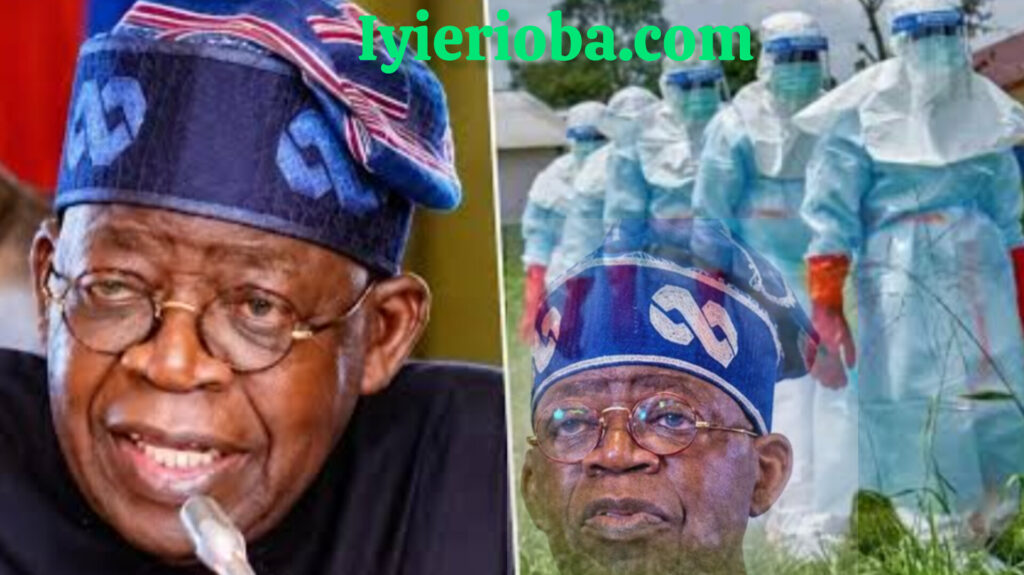
The ₦8,000 Cash Transfer Proposal: A Reminder of Nigeria’s Economic Struggles
In 2023, President Tinubu sought legislative approval for a proposed monthly cash transfer of ₦8,000 to 12 million low-income households for six months. The proposal attracted considerable criticism because many Nigerians believed the amount was inadequate to address the rising cost of living.
Consider the mathematics. A monthly payment of ₦8,000 amounts to approximately ₦267 per day for an entire household. If a family consists of four people, that works out to roughly ₦67 per person daily.
That amount would be expected to contribute towards food and other basic necessities in an economy where transportation, cooking fuel, housing and food expenses can consume a substantial portion of household income.
The criticism was not necessarily that cash transfers were unnecessary. Rather, many Nigerians questioned whether the proposed amount could provide meaningful relief amid such widespread economic hardship.
The original ₦8,000 proposal should, however, be understood as a historical development rather than the current national cash-transfer rate. In February 2024, the government announced the resumption of transfers of ₦25,000 monthly for three months to eligible beneficiaries under a revised arrangement.
According to the International Monetary Fund’s 2026 assessment, approximately 9.2 million households had been enrolled in the cash-transfer system, against a target of 15 million. The report also highlighted limitations in the number of payments beneficiaries had received since 2023.
These figures raise important questions about the consistency of payments, beneficiary selection, transparency and the ability of temporary assistance to protect families from prolonged economic hardship.
Source: IMF’s 2026 assessment of Nigeria’s economy.
Nigeria’s Economic Reforms and the Reality Facing Households in 2026
The Tinubu administration has defended its economic reforms, arguing that the removal of the petrol subsidy and changes to the foreign-exchange system have helped improve public finances and economic stability.
In October 2026, the Federal Government reiterated that it did not intend to restore a blanket petrol subsidy, instead promising targeted assistance and measures intended to improve living standards.
There are economic arguments in favour of reducing inefficient subsidies and improving government revenue. However, macroeconomic improvements do not automatically translate into affordable food, reliable electricity, better employment opportunities or higher purchasing power for every household.
The IMF’s 2026 assessment estimated that poverty had reached 63 per cent under Nigeria’s national poverty line and reported that approximately 27 million Nigerians had experienced food insecurity in the autumn of 2025.
Such figures demonstrate why the government cannot measure the success of its economic policies solely through revenue growth, foreign reserves or investor confidence. The lived experiences of ordinary citizens must also form part of the assessment.
The government should provide clear, accessible reports showing how savings from subsidy removal are being spent, how many vulnerable households have received assistance and what measurable improvements have occurred in employment, income and access to essential services.
The National Assembly and the Question of Public Accountability
The National Assembly is constitutionally responsible for making laws, scrutinising government expenditure and representing the interests of Nigerians. Its members therefore have a duty to demonstrate fiscal discipline, transparency and sensitivity to the conditions faced by their constituents.
Public criticism of lawmakers’ remuneration, allowances, official vehicles and other benefits has persisted for years. These concerns become particularly serious when citizens are being asked to endure economic sacrifices while public institutions continue to spend substantial sums on administration and official privileges.
In 2023, reports concerning the proposed purchase of vehicles for members of the House of Representatives generated widespread controversy. The expenditure was discussed amid the broader debate over the cost of living and the government’s plans to provide relief to Nigerians affected by subsidy removal.
The House subsequently defended the vehicles as operational assets intended to support lawmakers’ constituency outreach and oversight responsibilities, rather than personal gifts.
That clarification is important. Nevertheless, it does not remove the need for public scrutiny of the procurement cost, financing arrangements, value for money and justification for such expenditure.
The controversy illustrates a broader issue: public institutions must be prepared to explain their spending in a way that citizens can understand and independently scrutinise.
The question is not simply whether lawmakers need vehicles to perform their duties. It is whether the expenditure is reasonable, transparently procured and proportionate to the country’s competing priorities.
Nigeria’s 2026 Budget: Spending, Borrowing and the Burden on Citizens
The Federal Government’s 2026 budget provides another opportunity to examine the relationship between public expenditure and citizens’ welfare.
According to President Tinubu’s 2026 budget speech, the proposed budget contained the following major figures:
| Budget item | Proposed amount |
|---|---|
| Expected revenue | ₦34.33 trillion |
| Total expenditure | ₦58.18 trillion |
| Debt servicing | ₦15.52 trillion |
| Recurrent expenditure, excluding debt servicing | ₦15.25 trillion |
| Capital expenditure | ₦26.08 trillion |
| Budget deficit | ₦23.85 trillion |
Source: Official 2026 Federal Budget Speech. These are the figures presented in the budget speech, not a statement of final actual expenditure.
The figures highlight the scale of Nigeria’s fiscal challenge. Planned expenditure exceeds projected revenue by ₦23.85 trillion, meaning the government must finance the deficit through borrowing and other permitted financing arrangements.
Borrowing is not automatically irresponsible. Governments may borrow to finance infrastructure and other investments capable of generating long-term economic benefits. However, borrowing becomes a legitimate public concern when its costs rise, its benefits are unclear or the resulting debt obligations limit future spending on essential services.
With ₦15.52 trillion earmarked for debt servicing in the proposed 2026 budget, Nigerians have every reason to demand careful management of public resources.
Every major expenditure should be assessed against its public value. Can the same resources provide better hospitals, more effective security, improved public schools, reliable electricity, agricultural support or employment opportunities?
These are the questions lawmakers should help answer through effective budget scrutiny and oversight.
Why Security Spending Must Deliver Results
Security remains another critical challenge facing Nigeria. Communities affected by kidnapping, banditry, insurgency and other forms of violence need practical protection, effective investigations and a justice system capable of holding perpetrators accountable.
Government officials may require secure transportation when performing their duties in dangerous areas. However, the justification for security-related expenditure must be supported by transparent procurement and a broader commitment to protecting citizens.
It is difficult for ordinary Nigerians to accept lavish public spending when their communities remain exposed to insecurity, farmers cannot safely access their land and businesses struggle to operate in affected areas.
The solution is not necessarily to eliminate every security-related expense for public officials. Rather, government should ensure that security spending is proportionate, accountable and accompanied by measurable improvements in public safety.
Protecting elected representatives is important, but protecting the people who elected them must remain a central responsibility of government.
Why Empowerment and Job Creation Matter More Than Temporary Relief Alone
One-off cash transfers and temporary financial assistance can help vulnerable households meet urgent needs. They should not, however, become substitutes for a broader strategy to reduce poverty and improve economic opportunities.
Nigeria needs policies that help people earn sustainable incomes, establish businesses, improve their skills and participate productively in the economy.
Government investment in agriculture, manufacturing, vocational education, infrastructure and small businesses could help create opportunities for people who currently depend on irregular income or limited public assistance.
For example, supporting local manufacturers could create jobs, reduce dependence on imported products and strengthen domestic supply chains. Investment in agricultural storage, irrigation, transportation and processing could also reduce waste and improve food availability.
Likewise, transparent business grants, accessible financing and practical vocational training could help young Nigerians develop sustainable sources of income.
As the Nigerian commentator Comrade Nwoba Chika Nwoba has argued in discussions about empowerment, giving people money without addressing their underlying needs may fail to produce lasting change. The broader point deserves attention: emergency assistance is necessary, but long-term empowerment is equally important.
The government should therefore combine targeted financial support with programmes that improve access to jobs, productive assets, education, healthcare and reliable public infrastructure.
What Nigerians Should Demand From Their Leaders
The responsibility for improving citizens’ welfare does not rest with the executive alone. The National Assembly, state governments, local authorities and relevant public institutions all have roles to play.
Nigerians should demand:
- Transparent public spending: Government institutions should publish understandable reports on major procurements, official allowances, project costs and the use of borrowed funds.
- Effective social protection: Cash transfers should reach eligible households promptly, with clear eligibility criteria, reliable payment records and mechanisms for reporting irregularities.
- Employment and economic empowerment: Public programmes should prioritise productive investments that help citizens earn sustainable incomes.
- Better security: Security expenditure should be accompanied by measurable improvements in the safety of communities, businesses, farmers and public infrastructure.
- Accountable representation: Lawmakers should demonstrate that their decisions reflect the needs of their constituents rather than the privileges of public office.
- Responsible borrowing: Government should explain how borrowed money will be used, the expected benefits and how the resulting obligations will be managed.
These demands are not unreasonable. They are fundamental expectations in a democratic society where public officials exercise authority over resources generated from taxpayers, public assets and government borrowing.
Conclusion: Nigeria Needs More Than Promises
Nigeria’s economic challenges cannot be solved overnight, and not every government policy will produce immediate results. Nevertheless, citizens are entitled to question decisions that affect their livelihoods and to demand evidence that public resources are being used responsibly.
The 2023 ₦8,000 cash-transfer controversy remains a reminder of the gap that can exist between government relief proposals and the actual needs of vulnerable families. The subsequent cash-transfer arrangements and the spending priorities reflected in the 2026 budget show why implementation, transparency and measurable outcomes matter as much as policy announcements.
The National Assembly must also recognise that public confidence depends on more than defending its spending decisions. Lawmakers should demonstrate restraint where appropriate, scrutinise government expenditure effectively and ensure that public money delivers tangible benefits.
Nigeria needs stronger institutions, more productive investment, improved security, sustainable job creation and social-protection programmes that reach the people who need them most.
My question is this: how can Nigeria convince struggling citizens that economic reforms are working if improvements in public finances are not matched by meaningful improvements in their daily lives?
What do you think the Federal Government and the National Assembly should prioritise to improve the living conditions of ordinary Nigerians?
Read also: Tinubu ₦10 Billion Ebola Emergency Fund 2026/2027: How to Apply