

Ebonyi State is a state in southeastern Nigeria, popularly known as the Salt of the Nation. Created on October 1, 1996, by the military government of General Sani Abacha, the state was carved out of parts of the former Enugu and Abia states. Its capital and largest city is Abakaliki.
Ebonyi is known for its agricultural production, especially rice, its historic salt deposits, rich Igbo cultural heritage, educational institutions and contributions to Nigerian politics, business and entertainment. The state is also home to several mineral resources, tourist attractions and communities with distinct histories and traditions.
History and Creation of Ebonyi State
The creation of Ebonyi State followed years of agitation for a separate state by political leaders, community representatives and other stakeholders from the area. Before its establishment, the territory that now makes up Ebonyi was administered mainly within the old Abakaliki political bloc of Enugu State and the Afikpo political bloc of Abia State.
On October 1, 1996, General Sani Abacha’s military administration created Ebonyi State alongside several other states. Abakaliki was selected as the state capital, bringing the different administrative and cultural communities together under one state government.
The creation of Ebonyi was more than an administrative exercise. For many of its advocates, it represented the outcome of a long struggle for political representation, local development and greater control over public resources.
Several individuals from the area contributed to the state-creation movement. Names associated with the struggle include the late Senator Dr. Offia Nwali, Chief Martin Elechi, Chief Hyacinth Ikpor, Chief Dr. Boniface Chima, Senator Chris Nwankwo, the late Senator Andrew Nwankwo, Chief Barrister Felix Mgbada, Barrister Sir Harrison Onwe, the late Eze Chibueze Agbo, the late Dr. Francis Orji, the late Senator Polycarp Nwite and Chief Nwagu Onele, among others.
Offia Nwali is remembered by advocates of the movement for sponsoring a state-creation bill in the Senate. Martin Elechi was also associated with the organisational efforts that sustained the campaign.
The contributions of these individuals form part of the political history of Ebonyi. Their precise roles and the chronology of the movement should be understood within the broader collective efforts of community leaders and political stakeholders across the territory.
For an overview of the state’s official history and identity, visit the Ebonyi State Government profile.
Geographical Location and Boundaries
Ebonyi State is located in Nigeria’s southeastern geopolitical zone. It shares boundaries with Benue State to the north, Enugu State to the northwest, Cross River State to the east and southeast, and Abia and Imo states to the south and southwest.
The state’s location connects it to several important agricultural and commercial areas in southeastern Nigeria. Abakaliki serves as its administrative and commercial centre, while Afikpo, Onueke, Ezzangbo, Ishiagu, Nkalagu and other towns serve as important population, agricultural, educational or industrial centres.
Clans and Ethnic Communities in Ebonyi State
Ebonyi State is predominantly inhabited by Igbo-speaking communities. Its people share many cultural practices, including traditional festivals, marriage customs, farming traditions, masquerade performances and community-based institutions. However, dialects, histories and cultural identities differ across the state.
Some traditional accounts and local classifications group communities in Ebonyi into four broad cultural groupings: Ekumaenyi, Afikpo, Ozara and Korrin. These classifications reflect certain community traditions and should not be confused with the state’s official administrative divisions. Local histories and classifications may vary.
1. Ekumaenyi Communities
The Ekumaenyi grouping is associated in some local accounts with communities including Ikwo, Ezza, Izzi, Ngbo, Ohofia, Agba, Abaomege, Ishinkwo and Ukawu.
These communities have distinctive histories, dialects and cultural practices. Agriculture, particularly rice and yam production, is important to many households, while community associations and traditional institutions continue to influence local affairs.
2. Afikpo Communities
The Afikpo grouping is commonly associated with Afikpo and Edda, including communities in Afikpo North and Afikpo South local government areas.
The area is known for its cultural heritage, traditional festivals, masquerade performances and historic settlements. Afikpo is also one of the state’s notable urban centres and has long served as a commercial and educational hub.
3. Ozara Communities
The Ozara grouping is associated in some traditional classifications with communities such as Onicha, Uburu, Okposi, Ugwulangwu, Isu, Oshiri, Akaeze and Ishiagu.
Uburu and Okposi are particularly associated with traditional salt production. The communities also contribute to the state’s agricultural economy and preserve cultural practices passed down through generations.
4. Korrin Communities
Some local accounts identify Korrin communities as having historical and cultural connections extending towards Cross River State. Communities mentioned in this grouping include Ntezi, Okpoto, Amuda and Effium.
Effium and surrounding communities have distinct local histories and identities. Because ethnic and linguistic classifications can differ between sources, these groupings are best treated as traditional descriptions rather than a definitive official classification of every community in Ebonyi.
Local Government Areas in Ebonyi State
Ebonyi State has 13 local government areas (LGAs). Each LGA has its own communities, administrative headquarters and local development priorities.
| No. | Local Government Area |
|---|---|
| 1 | Abakaliki |
| 2 | Afikpo North |
| 3 | Afikpo South |
| 4 | Ebonyi |
| 5 | Ezza North |
| 6 | Ezza South |
| 7 | Ikwo |
| 8 | Ishielu |
| 9 | Ivo |
| 10 | Izzi |
| 11 | Ohaozara |
| 12 | Ohaukwu |
| 13 | Onicha |
The LGAs provide the administrative framework for local government, community development and the delivery of public services throughout the state.
Natural Resources and Economic Activities
Ebonyi has an economy built around agriculture, commerce, mineral resources, manufacturing and public services. Its fertile land supports the production of several food crops, while salt deposits and other geological resources contribute to its identity and economic potential.
Agriculture and Rice Production
Rice is one of Ebonyi’s best-known agricultural products. Farmers across different parts of the state cultivate rice, yam, cassava, maize, beans and other crops for household consumption and commercial markets.
Abakaliki rice is particularly well known in Nigeria. Agriculture supports rural livelihoods, local trading networks, milling businesses and food distribution. Improved irrigation, storage, processing and transportation could further strengthen the sector.
Salt Production
Ebonyi’s nickname, the Salt of the Nation, is closely connected to the historic salt-producing communities of Okposi and Uburu. Traditional salt extraction has long been part of the economic and cultural history of these communities.
The salt lakes and related local production traditions are important heritage assets. They also provide opportunities for cultural tourism and the promotion of locally produced goods.
Other Solid Mineral Resources
The state is associated with mineral resources including limestone, lead and other geological deposits. Nkalagu is particularly known for its cement and limestone-related industrial history.
Responsible mineral development could create jobs and expand government revenue. However, commercial extraction should be supported by environmental safeguards, proper licensing, community consultation and the rehabilitation of affected sites.
Tourist Attractions and Important Places in Ebonyi State
Ebonyi has natural attractions, cultural heritage sites, historic industrial locations and popular towns that visitors may explore. Tourism development could provide additional opportunities for local businesses, hospitality services and community enterprises.
Ndibe Beach, Afikpo
Ndibe Beach is a riverside destination associated with Afikpo and the Cross River. Its natural setting makes it a potential location for relaxation, sightseeing and leisure activities. Visitors should confirm access conditions and local safety guidance before travelling.
Okposi Salt Lake
Okposi is one of the communities traditionally associated with salt production in Ebonyi. The salt lake and surrounding heritage provide insight into the area’s traditional economic activities and the origin of the state’s nickname.
Uburu Salt Lake
Uburu, in Ohaozara Local Government Area, is another important salt-producing community. Its historic salt resources form part of the state’s cultural and economic heritage.
Nkalagu and Nigercem
Nkalagu is associated with Nigeria’s cement industry and limestone resources. Its industrial history illustrates the role that mineral deposits have played in the economic development of parts of Ebonyi State.
Abakaliki
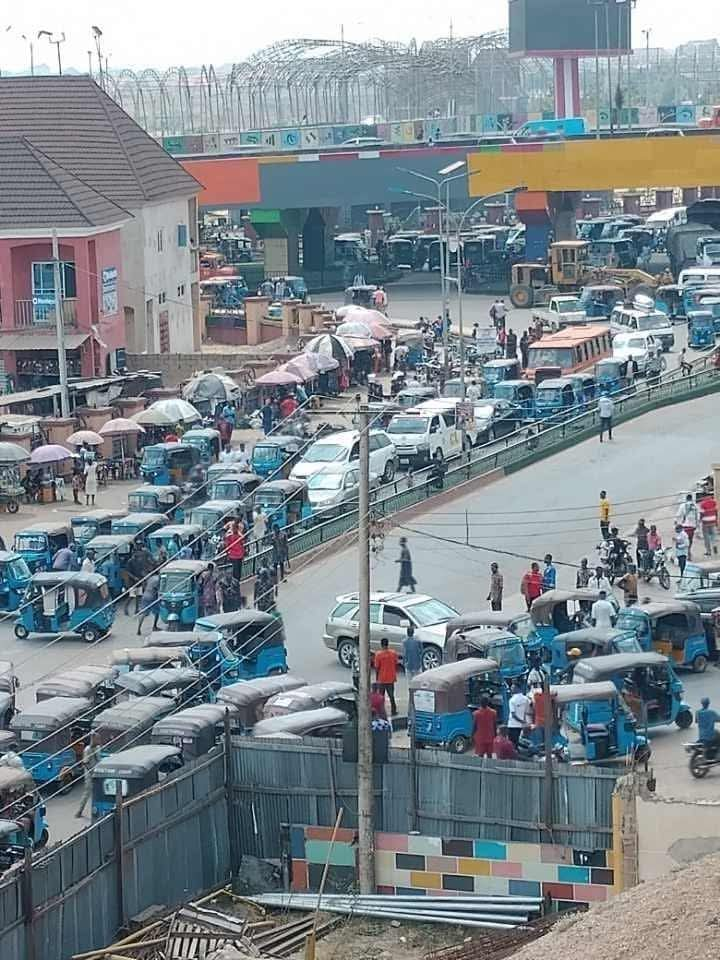
Abakaliki is the state capital and principal administrative centre. It is known for its markets, rice trade, educational institutions, government offices, restaurants and growing urban infrastructure.
Afikpo and Onueke
Afikpo is a major town with a strong cultural identity and commercial importance. Onueke is another notable town in Ebonyi, serving as an administrative and commercial centre for surrounding communities.
Other important towns and communities include Ezzangbo, Abaomege, Uburu, Okposi, Ishiagu, Effium and Nkalagu.
For additional information about the state’s destinations and cultural heritage, visit the Visit Ebonyi tourism platform.
Universities and Other Higher Institutions in Ebonyi State
Ebonyi has a growing network of universities, polytechnics, colleges and specialised institutions. These institutions serve students from across Nigeria and provide training in engineering, medicine, agriculture, education, business, sciences and other disciplines.
Universities
- Ebonyi State University (EBSU), Abakaliki: A state-owned university offering programmes across several academic disciplines.
- Alex Ekwueme Federal University, Ndufu-Alike (AE-FUNAI): A federal university located in Ikwo Local Government Area.
- David Nweze Umahi Federal University of Medical Sciences, Uburu: A specialised federal university focused on medical and health sciences.
- Evangel University, Akaeze: A private Christian university in Ebonyi State.
- Ebonyi State University of ICT, Science and Technology, Oferekpe: An institution listed in the National Universities Commission’s university directory.
- Ebonyi State University of Aeronautics and Aerospace Engineering: Listed in the NUC directory as a state university associated with Ezza.
Institutional names, ownership and operational status should be checked against current regulatory records before applications are made. The appearance of an institution in a directory does not by itself confirm that every programme is currently admitting students.
Polytechnics, Colleges and Specialised Institutions
- Akanu Ibiam Federal Polytechnic, Unwana.
- Federal College of Agriculture, Ishiagu.
- Ebonyi State College of Education, Ikwo.
- Federal College of Education (Technical), Isu.
- College of Health Technology, Ezzangbo.
- Ebonyi State College of Nursing Sciences, Okposi.
Prospective students should verify admission requirements, accreditation, available courses and application deadlines directly with the relevant institution.
For the most reliable university information, consult the National Universities Commission and its Nigerian university directory.
Students can also explore our related guides to education and admission opportunities on Iyierioba.
Religion and Cultural Heritage
Christianity is the predominant religion in Ebonyi State, although religious beliefs and practices vary among individuals and communities. Churches have an important presence in community life, education, charity and social activities.
Christian denominations found throughout the state include the Catholic Church, Assemblies of God, Anglican Church, Presbyterian Church, Methodist Church and Church of Christ, among others. Traditional beliefs and cultural practices also form part of the state’s heritage.
Ebonyi communities celebrate traditional festivals, including New Yam celebrations, and maintain distinctive masquerade, dance, music, marriage and communal traditions. These cultural expressions contribute to the state’s identity and connect younger generations with their heritage.
Past Governors of Ebonyi State
Since its creation in 1996, Ebonyi State has been governed by successive military administrations and elected civilian governments. The following are its principal elected civilian governors:
| Governor | Period in office |
|---|---|
| Dr. Sam Ominyi Egwu | 1999–2007 |
| Chief Martin Nwancho Elechi | 2007–2015 |
| Engr. David Nweze Umahi | 2015–2023 |
| Francis Ogbonna Nwifuru | 2023–present (as of October 2026) |
Each administration has pursued different priorities in infrastructure, education, healthcare, agriculture and urban development. The state’s political history also reflects the influence of federal politics and the changing relationships between political parties.
For current announcements and government information, consult the official Ebonyi State Government website.
Notable Political, Educational and Public Figures from Ebonyi State
Ebonyi has produced prominent people in politics, public administration, education, law, religion, business and other fields. The following selection includes individuals associated with the state’s public and professional life; it is not an exhaustive list.
Political Leaders and Public Servants
- Senator Anyim Pius Anyim: Former President of the Nigerian Senate and former Secretary to the Government of the Federation.
- Ambassador Frank Ogbuewu: Former Nigerian ambassador to Greece and former Minister of Culture and Tourism.
- Chief Martin Elechi: Former governor of Ebonyi State.
- Engr. David Umahi: Former governor of Ebonyi State and former Minister of Works.
- Dr. Sam Egwu: Former governor of Ebonyi State and former Minister of Education.
- Dr. Kelechi Igwe: Former deputy governor of Ebonyi State.
- Professor Chigozie Ogbu: Former deputy governor of Ebonyi State.
- Chief Elias Mbam: Former public officeholder who served as Minister of Finance.
- Professor Onyebuchi Chukwu: Former Minister of Health.
- Chief Goddy Ogbaga: Former federal minister.
Other political figures associated with Ebonyi include Senator Julius Ucha, Senator Obinna Ogba, Senator Sonni Ogbuoji, Senator Ken Eze, Senator Michael Ama Nnachi, Senator Anthony Ani, Senator Emma Onwe, Senator Paulinus Igwe Nwagu, Senator Anthony Agbo, Senator Chris Nwankwo and Senator Onyekachi Nwebonyi.
Legal and Academic Figures
The state has also produced legal professionals, university administrators, researchers and scholars. Names associated with these fields include Justice Aloy Nwankwo, Justice Elvis Ngene, Justice Obande Ogbuinya, Professor Nnenna Otti, Professor Afam Ituma, Professor Bernard Odoh, Professor Jesse Uneke and other academics who have served in Nigerian educational institutions.
As with any list of notable people, professional positions and current affiliations should be checked before publication, especially where individuals have held multiple public appointments.
Religious Leaders
Religious institutions have played a significant role in education, healthcare and community development across Ebonyi State. Prominent religious figures associated with the state include Bishop Peter Chukwu, Bishop Michael Okoro, Bishop Monday Nkwoagu and Bishop Lawson Elom, among others.
Entertainers and Celebrities from Ebonyi State
Ebonyi is associated with several Nigerian entertainers and creative professionals who have gained recognition in music, film, comedy and digital entertainment.
- Tekno: Nigerian singer, songwriter and record producer.
- Chacha Eke: Nollywood actress.
- Angela Okorie: Nigerian actress and entertainer.
- OGB Recent: Nigerian comedian and digital content creator.
- Patoranking: Nigerian reggae-dancehall artist commonly associated with Lagos and his Nigerian music career; his inclusion on lists of Ebonyi-born celebrities should be independently verified before publication.
- Sinach: Nigerian gospel singer and songwriter.
- MC One-on-One: Comedian and entertainer.
- Andy Chukwu: Nigerian filmmaker and actor.
- Splash: Nigerian rapper and musician.
Readers should note that a person’s place of birth, ancestral origin and family background are not necessarily the same. For an accurate directory of celebrities from Ebonyi, each person’s connection to the state should be confirmed using reliable biographical sources.
Businesspeople and Entrepreneurs from Ebonyi State
Entrepreneurship is an important part of Ebonyi’s economic life, from rice production and food processing to transport, construction, manufacturing, retail and other commercial activities.
Business figures identified with the state include Chief Ifeanyi Odii, associated with Anyichuks; Chief Julius Ama Oji, known as Ochiri of Edda; Chief Chibuike Orogwu, popularly called Baby Oku; Chief Azubuike Akam; Chief Daniel Onwe; Chief Chukwuemeka Ituma; Chief Monday Oke; and Chief Ndubuisi Nwokwu, associated with Ndumore Oil and Gas.
Other entrepreneurs and community business leaders contribute to employment, local investment and the development of commercial networks across the state. Claims about wealth, business ownership and company affiliations should be independently verified before being presented as established facts.
Languages and Dialects Spoken in Ebonyi State
Igbo and its regional varieties are widely spoken across Ebonyi State. The precise language or dialect used varies by community, family background and location.
Local varieties and language names associated with the state include Izzi, Ezza, Ikwo, Afikpo, Edda, Mgbo, Okposi, Uburu, Oring and other related forms. Some people also use broader community labels such as Abakaliki or Ozara when describing local speech varieties.
English is used in formal education, administration and official communication, while Nigerian Pidgin is also used in everyday interactions by many residents.
Why Ebonyi State Is Called the Salt of the Nation
The slogan Salt of the Nation reflects Ebonyi’s historic salt resources, particularly the salt-producing communities of Okposi and Uburu. Salt has long been important to food preservation, household use and local trade.
The slogan has also become a wider expression of state identity. Alongside salt, Ebonyi is known for agricultural production, including rice, and for its growing network of educational institutions, commercial centres and public infrastructure.
As the state continues to develop, its agricultural strength, cultural heritage, mineral resources and human capital offer opportunities for further investment and tourism.
Conclusion
Ebonyi State has a distinctive history shaped by the struggle for state creation, the contributions of its community leaders and the diversity of its cultural groups. Since its establishment in 1996, the state has developed its capital, expanded educational opportunities and strengthened its place in Nigeria’s political and economic landscape.
From the rice-producing communities around Abakaliki to the salt heritage of Okposi and Uburu, and from Afikpo’s cultural traditions to the state’s universities and public institutions, Ebonyi has many stories worth documenting.
Its people, resources and cultural heritage remain central to its identity as the Salt of the Nation.
Frequently Asked Questions About Ebonyi State
When was Ebonyi State created?
Ebonyi State was created on October 1, 1996, by the military administration of General Sani Abacha.
What is the capital of Ebonyi State?
Abakaliki is the capital and largest city of Ebonyi State.
How many local government areas are in Ebonyi State?
Ebonyi State has 13 local government areas.
Why is Ebonyi State called the Salt of the Nation?
The nickname is associated with the historic salt deposits and salt-producing traditions of Okposi and Uburu.
Which universities are located in Ebonyi State?
Universities in the state include Ebonyi State University, Alex Ekwueme Federal University Ndufu-Alike, David Nweze Umahi Federal University of Medical Sciences and Evangel University, alongside additional institutions listed in the National Universities Commission directory.
Who is the current governor of Ebonyi State?
As of October 2026, Francis Ogbonna Nwifuru is the governor of Ebonyi State.
Related Articles
- Education and admission updates in Nigeria
- Latest Nigerian news and current affairs
- Ogbonnaya Onu: Biography, Education and Political Career
Sources for further reading: Ebonyi State Government profile, Visit Ebonyi and the National Universities Commission.